Piusa Caves at Estonia
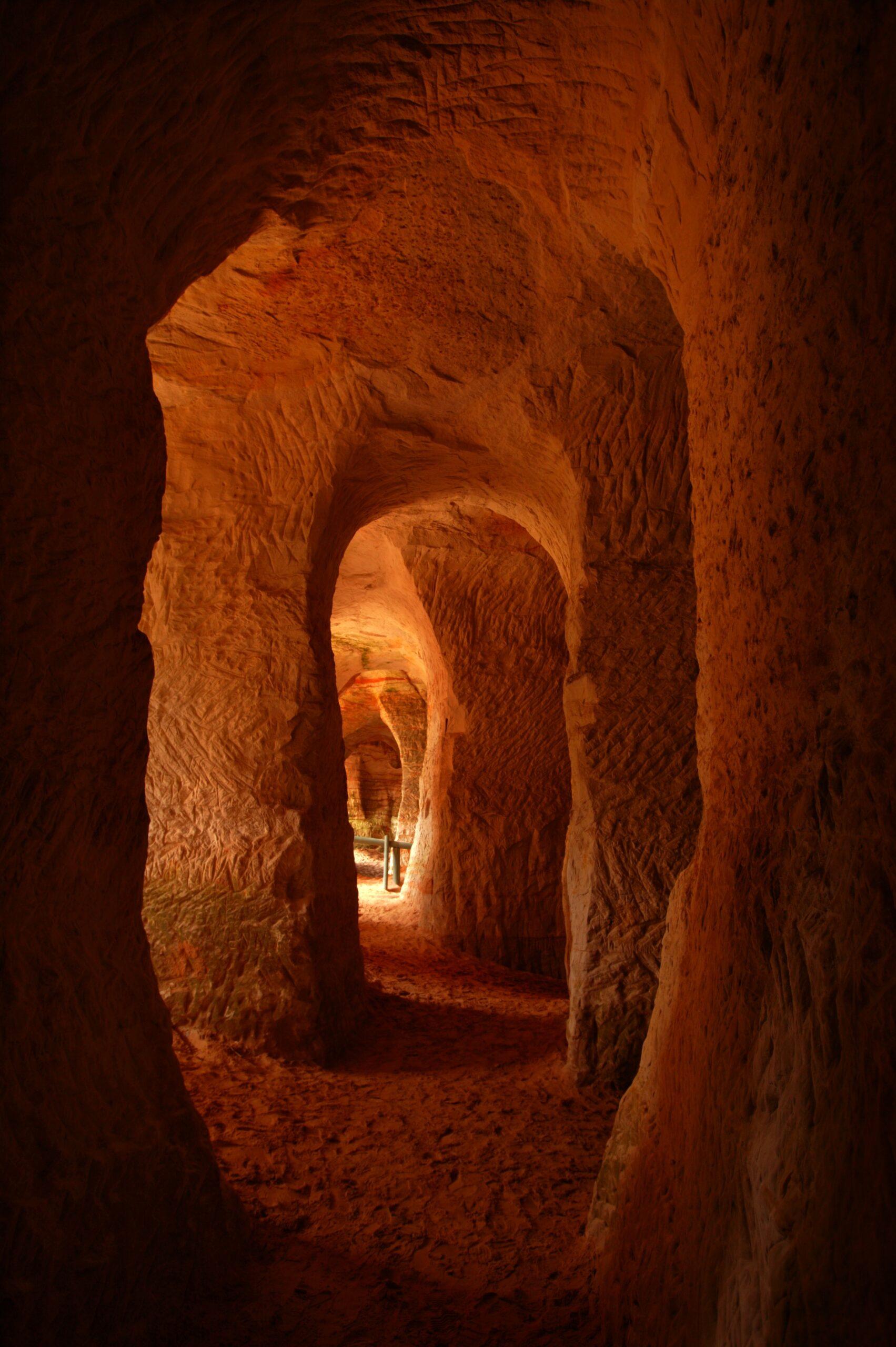
The Piusa caves are among Estonia’s most mysterious and unique natural landmarks. Formed during glass sand mining between 1922 and 1966, this underground world features towering sandstone pillars, vaulted ceilings, and nearly 20 kilometres of tunnels. Today, the caves serve as the Baltic region’s largest bat hibernation site. Authorities protect the area strictly for nature conservation.
The caves once welcomed visitors, but authorities closed them in 2006 because of a collapse risk. Yet interest in Piusa has only grown. The Piusa Visitor Centre now ranks among the most popular attractions in South-Eastern Estonia. This raises an important question: how can visitors experience a site they cannot enter?
Technology Unlocks a Hidden World
The answer lies in modern 3D technology. The Piusa Visitor Centre, Võrumaa Development Centre, Võru Municipality, Maperions, and the Estonia–Latvia Interreg programme joined forces and launched an ambitious project. The partners aimed to create a highly realistic 3D model of the Piusa cave system. The model lets visitors explore the caves virtually.
The 3D Wayfinder team led the work and used its experience in complex spatial environments. This time, however, the goal was even more ambitious: to capture the caves in their entirety, with maximum realism.
52 Hours Underground
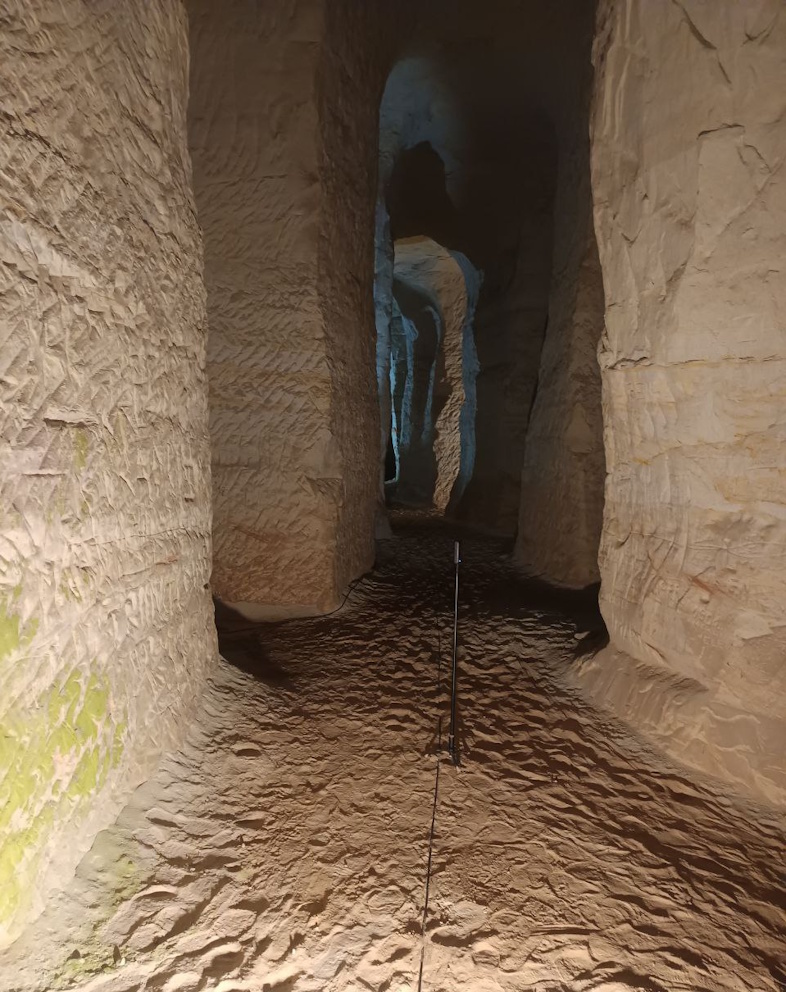
To achieve this, we chose photogrammetry—a method that creates accurate 3D models from lots of photographs while preserving natural colours and fine details. Working underground presented significant challenges: darkness, humidity, low temperatures, and the need for perfectly consistent lighting.
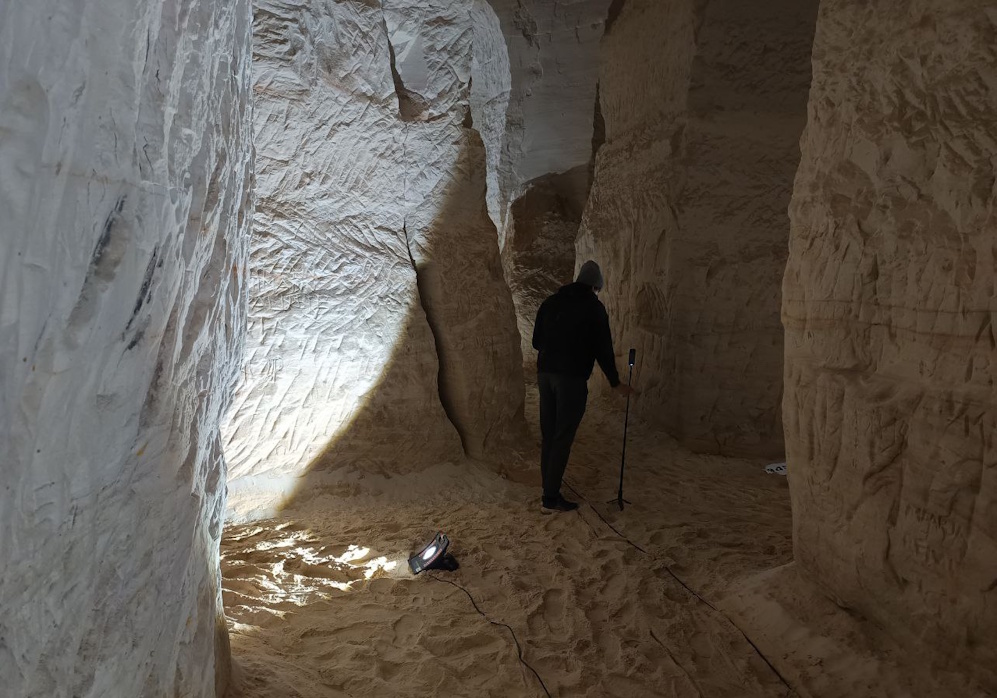
We divided the cave into smaller sections. We photographed one area at a time with nearly 20 construction lights and a 360° camera. Also captured around 1,200 images during 52 hours underground. Planned each step carefully to ensure precision.
High Detail but Optimised for Performance
The captured data was processed into 16 separate 3D sections, which were cleaned, refined, and combined into a single model. A key challenge was reducing file size while maintaining visual quality. Through advanced optimisation techniques and texture baking, the final model was reduced by nearly 90%—without sacrificing detail.
A Virtual Piusa Caves 3D Model: Experience for Everyone
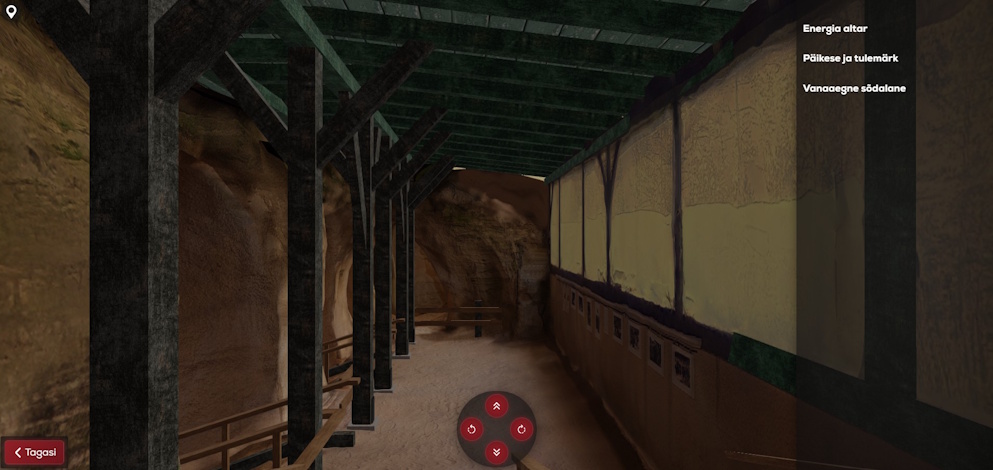
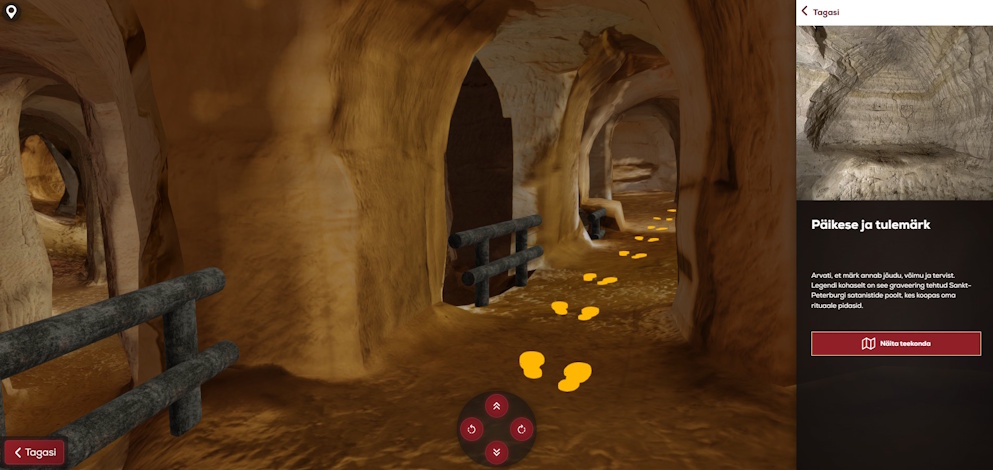
The completed Piusa Caves 3D model was deployed on the 3D Wayfinder platform, complete with interactive pathways, a user-friendly interface, and even animated bats. The result is a safe, immersive experience that allows visitors to explore a cave system that remains closed in the physical world.
The Piusa cave 3D model is a powerful example of how digital technology can preserve and present natural heritage—opening closed spaces in a completely new and engaging way.
Physical 3D Scale Model of the Cave System
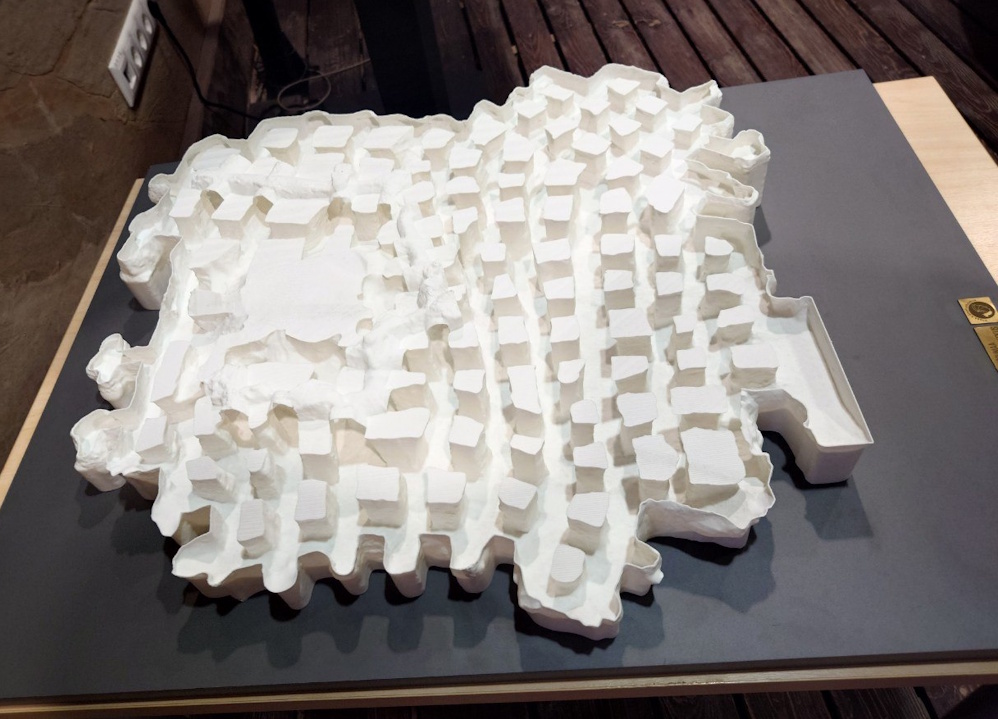
In addition to the Piusa Caves virtual 3D model, we also created a physical 3D scale model of the cave system, which is now on display at the Piusa Visitor Centre. Visitors can explore the layout and structure of the caves up close, see how the tunnels and chambers connect, and get a clear sense of the cave network’s scale—right there at the centre.