
Natural attractions offer powerful experiences for visitors. Caves, canyons, mines, and protected areas always create curiosity. However, visitors cannot physically enter every location. Some places involve collapse risks. In addition, other sites protect rare animals, plants, or geological formations. Narrow passages can also make movement difficult for many visitors. 3D Wayfinder helps open these places in a new way. A realistic 3D model creates a safe and engaging digital experience. Visitors can see the location as if they were standing inside it. At the same time, they can explore hidden spaces without disturbing the natural environment.
Piusa Caves Show the Potential of 3D Technology
The 3D Wayfinder team created a highly realistic 3D model of the Piusa Caves in Estonia. The Piusa Caves are among Estonia’s most unique natural attractions. The caves formed during glass sand mining. Today, they create a large and fascinating underground tunnel network.
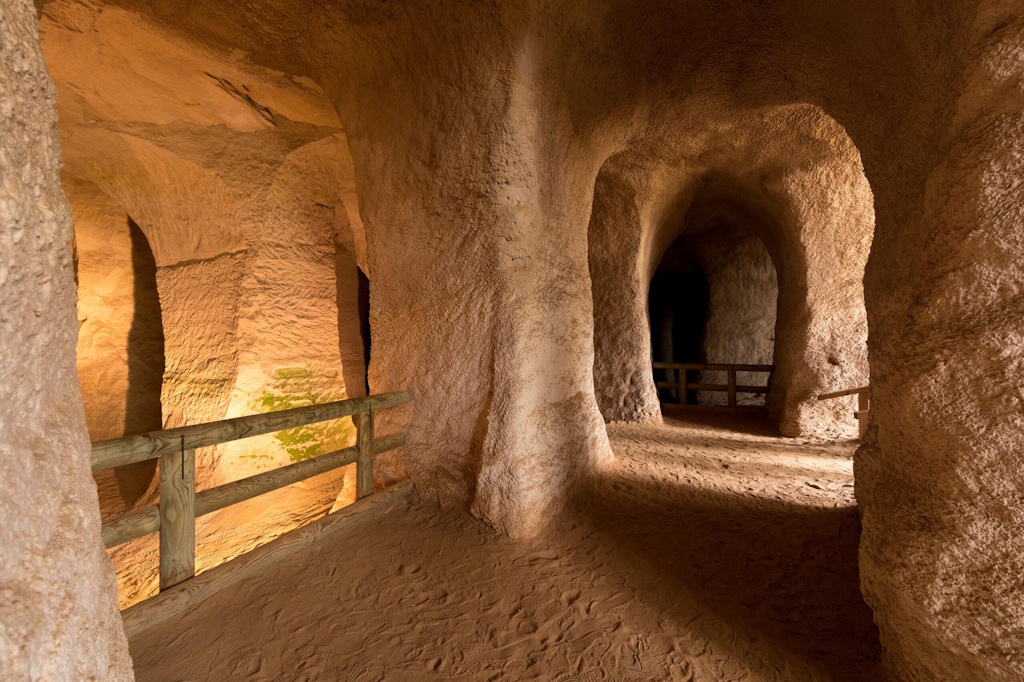
The Piusa Caves also have important conservation value. Bats use the caves for hibernation, and nature needs protection. Therefore, visitors cannot freely enter the caves. The 3D model still gives people a way to explore them. Visitors can move through the digital environment and understand the real scale of the cave system. Moreover, they can see tunnels, sandstone pillars, vaulted ceilings, and natural details. The Piusa project shows how 3D Wayfinder in caves can present complex underground spaces. This kind of solution does not replace nature. Instead, it helps people understand and protect it better.
A Virtual Journey Creates More Value
Tourists increasingly look for meaningful visitor experiences. They want to see, learn, and explore by themselves. A simple information board does not always create enough understanding. A photo only shows one view. A video controls the pace and direction.
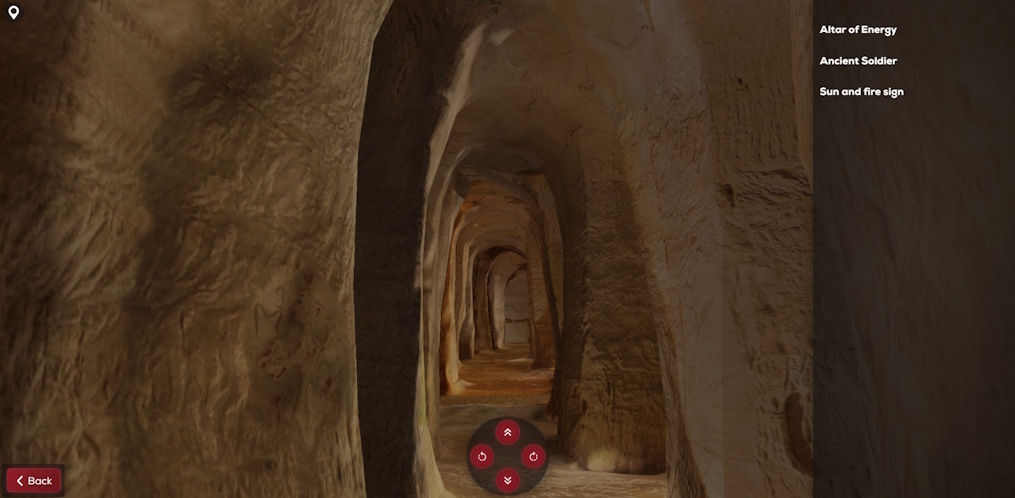
An interactive 3D model gives visitors control. They choose where to move and what to explore more closely. They can compare spaces, understand distances, and see the area as a complete environment. This makes the visit more personal and memorable.
3D Wayfinder Fits Many Natural Attractions
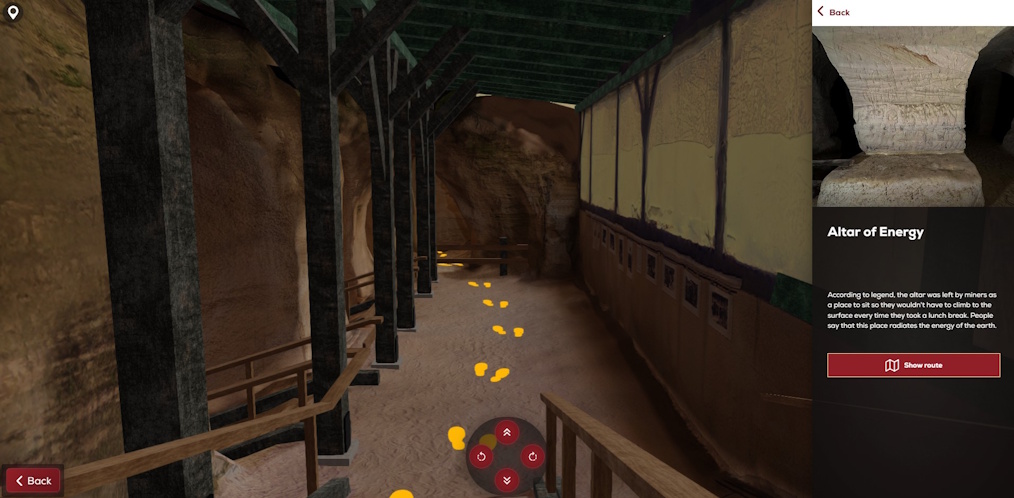
The Piusa Caves are a strong example, but the opportunity is much wider. The same solution can support caves, old mines, and mountain passages. Furthermore, it can also support canyons, hiking trails, national parks, and historical ruins. Many natural attractions around the world need better visitor guidance and richer explanations. 3D Wayfinder can show routes, restricted areas, and recommended paths. It can also display accessible routes and important points of interest. Visitor centres can add text, images, videos, and audio guides to the model. This turns a digital map into a valuable part of the whole visitor experience. It helps people understand the site before, during, and after their visit.
Closed Areas Become Visible
Many fascinating natural sites remain closed to visitors. The reason does not always come from a lack of interest. Often, the site simply needs protection. A virtual 3D experience creates a good balance.
Visitors still receive a strong experience, while nature remains untouched. This works especially well in places where heavy visitor traffic causes damage. Visitor centres can show hidden areas without increasing physical pressure on the site. They can also offer more value outside the main tourist season.
Education Becomes More Visual
A 3D model helps visitors learn faster and more naturally. Children understand space better when they can explore it themselves. Adults can connect information with the visible environment. Guides can use the model before or after a tour. A guide can show places where the group cannot physically go. They can explain geology, history, and nature conservation in a visual way. This makes the visit more informative and easier to remember.
A Better Experience Before and After the Visit
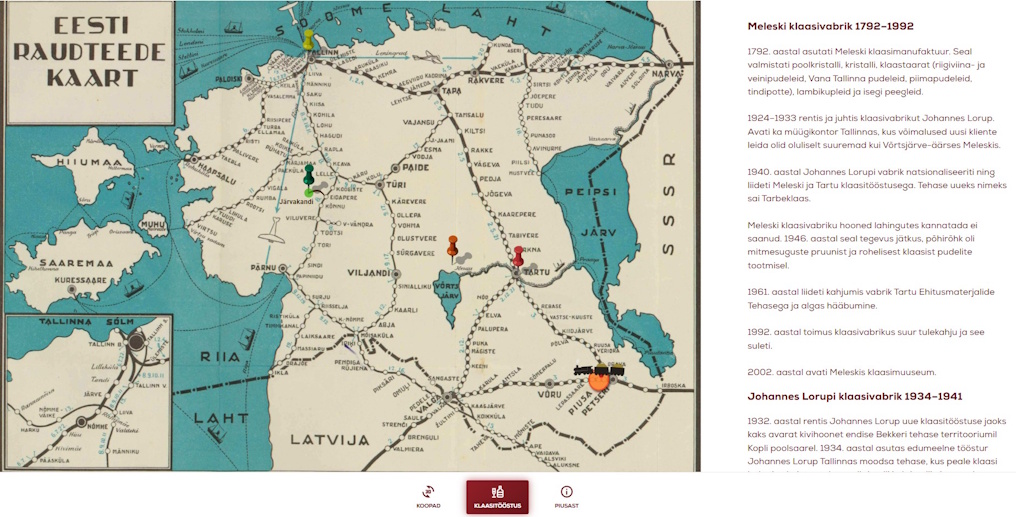
3D Wayfinder does not need to work only inside a visitor centre. The same 3D model can work on websites, kiosks, and mobile devices. Before the visit, tourists can explore the place before they travel. They can plan their visit and understand what to expect.
Afterwards, they can return to the model again. This extends the impact of the experience and supports destination marketing. A shareable digital experience can also help the location reach new visitors.
Technology Helps Protect Nature
A good tourism solution does more than attract more visitors. It helps manage visitor flows and reduce pressure on sensitive areas. Also, it gives people better information before they make decisions. And it also helps visitor centres present places that people cannot safely enter.
3D Wayfinder can help natural attractions offer safe, modern, and memorable experiences. The Piusa Caves 3D model shows this potential clearly. Ultimately, 3D Wayfinder in caves can open a completely new world when physical access is limited.