
Most companies invest heavily in their website design, lobby, and visual identity. However, many still leave their indoor wayfinding solution out of that investment. That creates a problem because visitors often interact with wayfinding early in their journey. They may use it online before arrival, or they may use a kiosk as soon as they enter the building. Because of that, your wayfinding experience should support your brand as clearly as your website does. Teams often spend months refining a homepage, choosing fonts, and selecting the right color palette. Meanwhile, they build the lobby kiosk or website map once and then forget about it. As a result, the wayfinding experience starts to feel disconnected from the rest of the brand.
When First Impressions Meet Reality
Your website usually creates the first impression of your brand. Your building’s indoor wayfinding solution often creates the second. If these two experiences do not match, visitors notice. They may not always think about it consciously, but they still feel the difference.
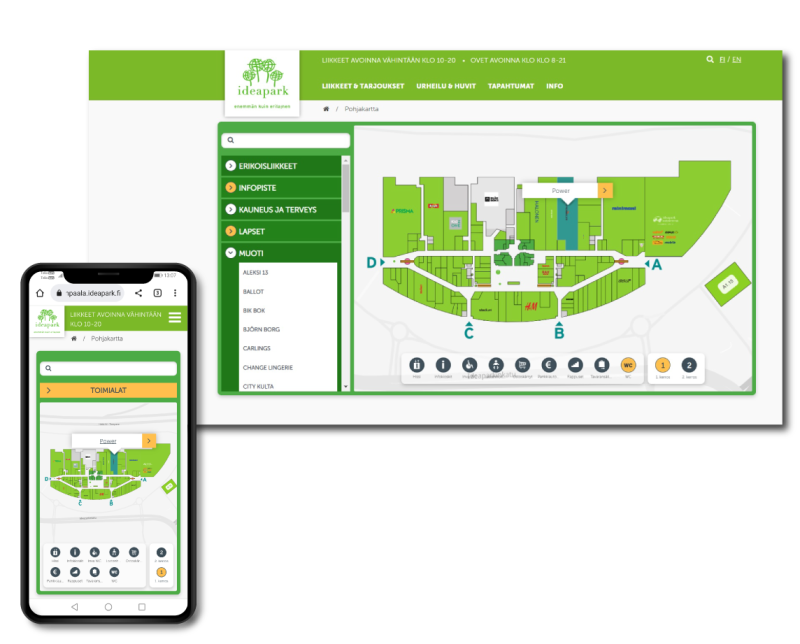
For example, a modern website can lose impact when the visitor then sees an outdated kiosk. The same problem appears when a website includes an old map module that looks frozen in time. One moment, the visitor scrolls through a clean and well-designed website. A moment later, they struggle with a pixelated floor plan or a slow touchscreen. That contrast feels inconsistent. It also weakens the credibility that the rest of the brand has worked hard to build. The opposite can also happen. A stylish kiosk or advanced web tool cannot fix a weak brand experience elsewhere. Therefore, consistency must work in both directions.
Why Good Wayfinding Matters In Busy Buildings
This matters even more in high-traffic locations. Airports, hospitals, universities, shopping centers, and corporate campuses all depend on clear navigation. Visitors in these places often feel rushed, stressed, or unfamiliar with the building. Some plan their route from home. Others stand inside the building and need help immediately.
A traveler may need to find a gate in fifteen minutes. A family may need to find the emergency room in a hospital. In those moments, nobody wants to deal with a confusing interface. A poorly designed indoor wayfinding solution adds stress. It turns a simple task into a frustrating experience. In some cases, it can even shape how people remember the whole visit.
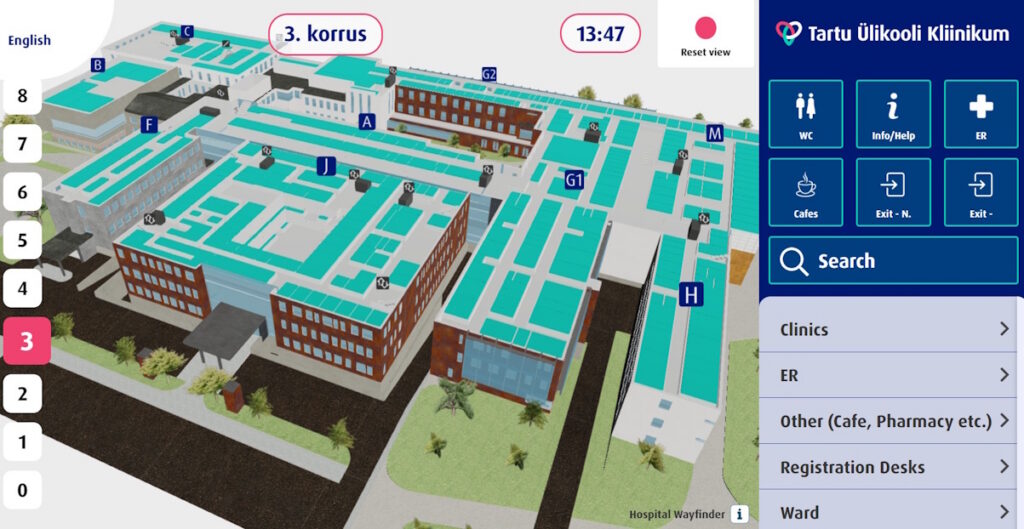
In contrast, a clean and intuitive system helps visitors feel calm and confident. It gives them control, whether they use it on a kiosk, on a phone, or on a website. A clear 3D map with accurate routing can turn stressful minutes into a smooth visit. That is exactly what good wayfinding should do.
What A Consistent Indoor Wayfinding Solution Looks Like
This is where 3D Wayfinder adds real value. We design our indoor wayfinding solution to work as a natural extension of your brand. It should not feel like a separate tool added later.
You can use 3D Wayfinder on a lobby kiosk, as a website module, or inside your own app. In every case, the experience stays visually consistent. That consistency comes from details that visitors may not consciously notice, but they will definitely feel.
Key elements include:
- Color palettes and typography that match your website.
- Smooth 3D maps that show buildings as they actually look.
- Clean interfaces across kiosks, mobile devices, and websites.
- A unified experience for every visitor touchpoint.
Together, these elements create a more professional and reliable brand experience.
One System Keeps Every Channel Updated
A consistent wayfinding experience also makes updates easier. Every access point can use the same underlying 3D Wayfinder project. That means you update the project once, and the change appears everywhere.
For example, a hospital may add a new wing. After the update, visitors see the new area on the kiosk, website, and app at the same time. This helps organizations avoid outdated maps. It also gives visitors the same reliable information on every channel.
Digital Experiences Shape Guest Satisfaction
Today, buildings create impressions through both physical and digital experiences. Visitors often form an opinion before they arrive. They continue building that opinion throughout the whole visit.
That is why a well-designed indoor wayfinding solution does more than guide people through a building. It helps venues create a sense of welcome, trust, and professionalism. It shows visitors that the organization values their time and comfort. As a result, better navigation supports better guest satisfaction.
The Takeaway
If your website reflects a high design standard, your indoor wayfinding solution should reflect the same standard. This applies both on-site and online.
A strong wayfinding experience helps visitors move with confidence. It also supports your brand, improves the first impression, and creates a smoother journey from the first click to the final destination. Contact our Sales Team!